
How to Increase Organic Traffic: Proven Technical SEO
You can increase organic traffic by fixing technical SEO problems, improving useful content, and making pages easy to find. Growth takes time. It depends on your competition, your website quality, and the search terms you target. Slow pages, poor indexing, weak keywords, and messy site structure often hold websites back. This guide shows what to fix first, why it matters, and how to track progress. The steps work for a clinic in Kochi or a firm in Dubai.
What Technical SEO Issues Should You Fix First?
Technical SEO helps search engines find, crawl, and index your website. Follow Google’s SEO best practices to help search engines understand your site. To increase organic traffic, start with pages that can’t be indexed. Then fix slow pages, mobile problems, broken links, and sitemap errors.
Fix errors on your main landing pages first. Minor issues can wait. For a deeper dive, see our guide on why every site needs an SEO audit twice a year. Regular checks help you increase organic traffic steadily.
Which technical SEO checks matter most?
- Indexing: Use Google Search Console to find important pages that aren't indexed. Pages Google can't index can't bring visitors.
- Site speed: Check Core Web Vitals and fix slow pages. Faster pages keep visitors from leaving.
- Mobile usability: Make sure pages work well on phones. Most of your customers browse there.
- Sitemaps and robots.txt: Check that search engines can reach your key URLs. Blocked pages stay invisible.
- Broken links and redirects: Fix dead links and wrong redirects. Visitors reach the right page.
- HTTPS and structured data: Secure your site and add relevant schema markup. Both build trust and clarity.
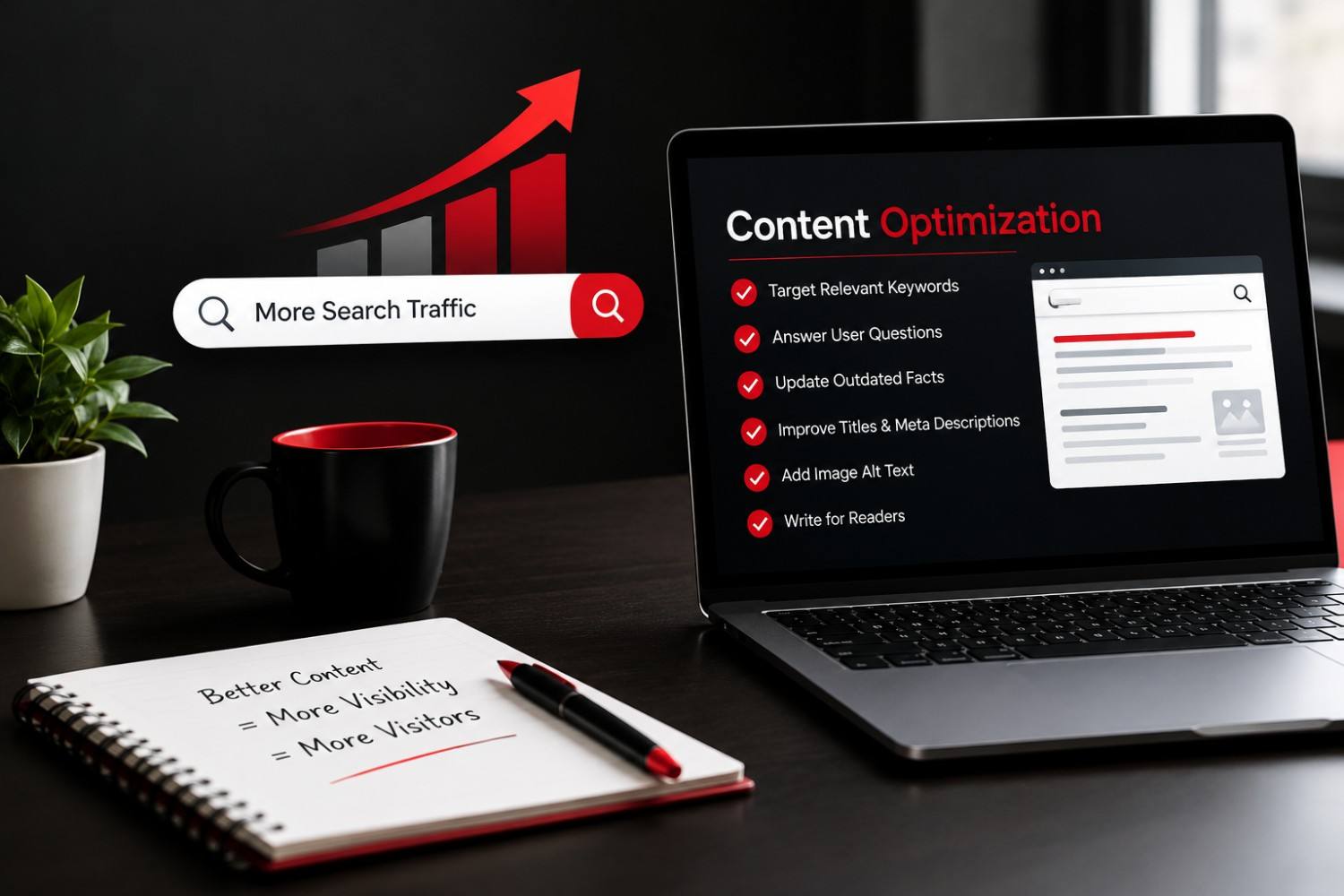
How Can Content Optimization Help You Get More Search Traffic?
Content optimization helps your pages match what people search for. To increase organic traffic, target relevant keywords and answer questions clearly. Update outdated facts. Improve titles, headings, meta descriptions, and image alt text. Write for readers, not for rankings.
How should you improve existing content?
Follow four simple steps:
- Find pages with many impressions but few clicks in Google Search Console.
- Review the search terms and intent behind those impressions.
- Update old details, weak headings, and missing information.
- Improve titles, descriptions, images, and calls to action.
Picture Meera, who runs a dental clinic in Thiruvananthapuram. Her service page said only “Dental care available.” Visitors read it and left. (This example is illustrative.)
She added each treatment, clinic hours, and answers to questions like “Does a root canal hurt?” Now the page matched what patients searched for. Updates must improve accuracy, not just change the date. A high-converting landing page then turns those visitors into enquiries. Results aren’t guaranteed, but clear pages serve readers better.
How Do Internal Links and Topic Clusters Improve SEO?
Internal links connect related pages on your website. Topic clusters group content around one main subject and its supporting topics. Together, they help visitors find answers and help Google see how your pages relate. Good internal linking SEO also guides readers to your service pages. It can help you increase organic traffic to the pages that matter.
How can you build a useful internal linking structure?
- Link blog posts to relevant service pages.
- Use anchor text that tells readers what to expect.
- Group related articles around one central topic.
- Check for key pages with few or no internal links.
Here’s a simple cluster. Connect an audit guide, a content article, a linking guide, and your SEO service page. Each page points to the others. We recommend creating a dedicated internal linking guide to fill this gap.
How Can You Measure SEO Results and Improve Local Visibility?
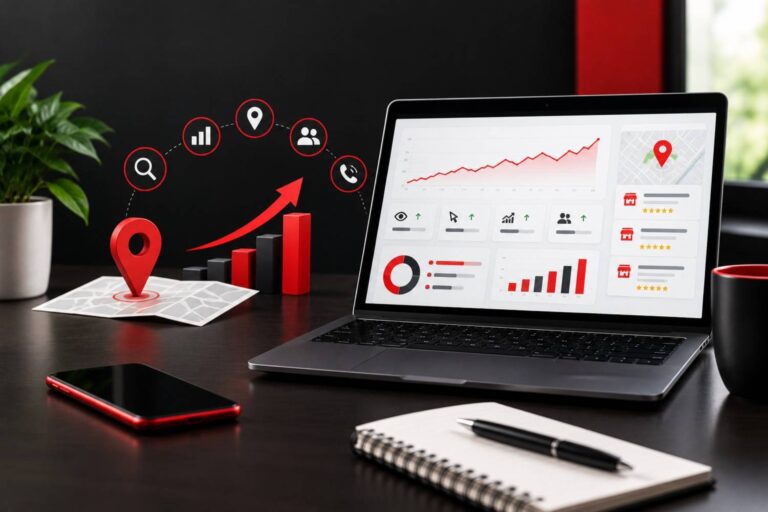
Measure progress with Google Search Console and Google Analytics. Track clicks, impressions, search queries, landing pages, conversions, and qualified leads. Local businesses should also watch local visibility and enquiries. These numbers show whether you attract useful visitors, not just more visitors.
A clear SEO strategy starts with a baseline. Good organic SEO reporting then shows how you increase organic traffic and leads. Read how AI search and SEO work together. Need help? Compare SEO services in Kerala by their reporting.
Which SEO metrics should you track each month?
- Impressions, clicks, and click-through rate
- Keyword positions and indexed pages
- Organic landing-page sessions
- Form submissions, calls, and qualified leads
- Google Business Profile engagement
Compare trends over time. Account for seasonal demand. Review results monthly and set realistic goals. For local searches, start with Google Business Profile optimization.
Frequently Asked Questions
Here’s how to increase organic traffic with technical seo audits. Audit indexing, crawlability, page speed, mobile usability, broken links, and sitemaps. Fix problems on important pages first. Then measure changes in Search Console.
Results vary with competition, website condition, and the changes you make. Track progress over several months. Don’t expect instant gains.
Consider help when issues persist, your team lacks time, or you need a clear plan. Good partners offer measurable reporting.
Yes. Useful updates improve relevance, accuracy, and search intent match. Results aren’t guaranteed.